Skip to content
Global Warming in 2026
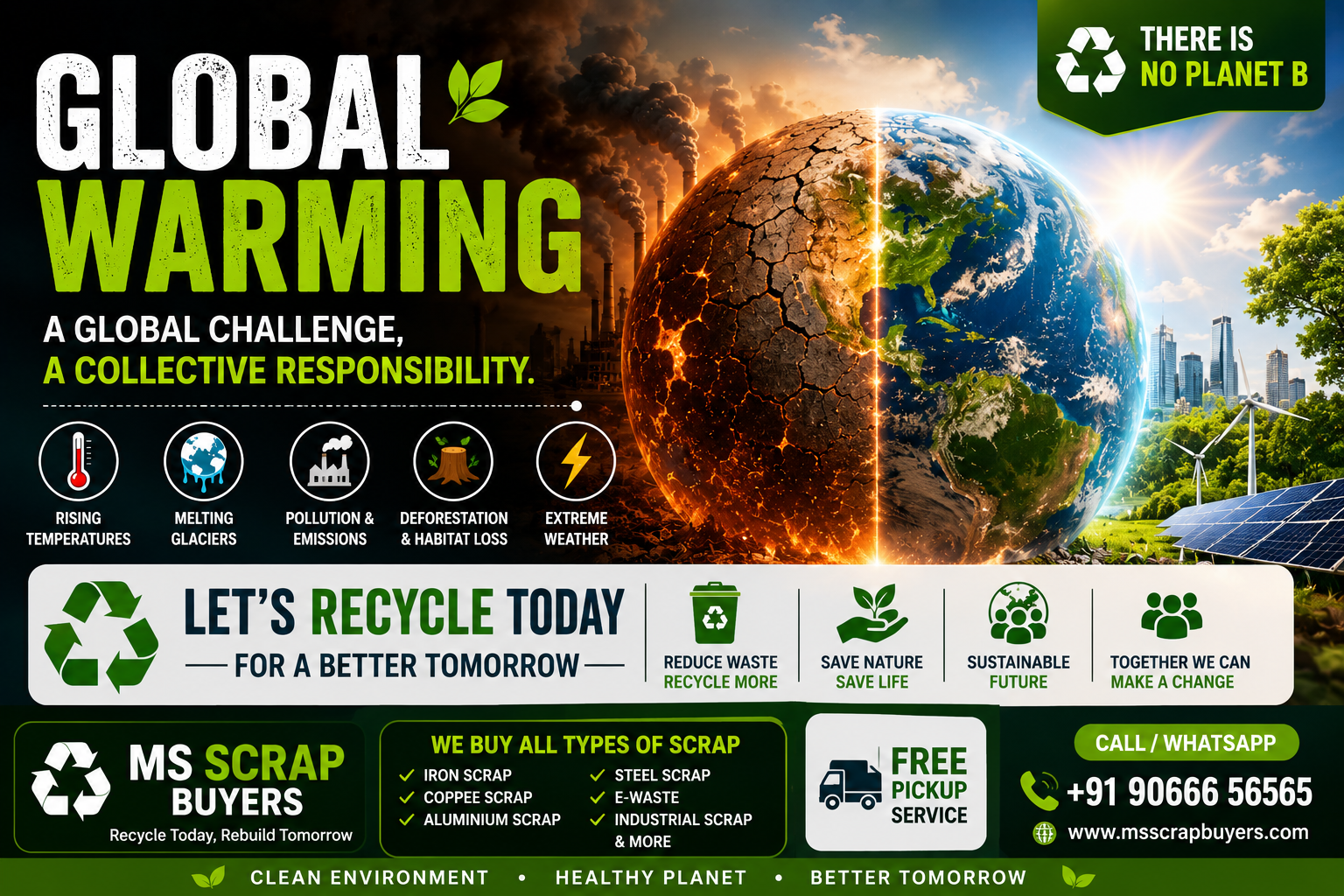
Global warming has become one of the most serious environmental challenges facing the world in 2026. Rising temperatures, climate change, melting glaciers, heatwaves, floods, and increasing pollution levels are affecting millions of people globally. Scientists and environmental organizations continue to warn that immediate action is necessary to protect the planet and future generations.
Rapid industrialization, excessive pollution, deforestation, and improper waste management are major contributors to global warming. As cities continue to expand and industries grow, greenhouse gas emissions are increasing rapidly, causing long-term environmental damage.
Today, global warming is no longer a future threat, it is a present reality affecting weather patterns, agriculture, water resources, human health, and wildlife ecosystems around the world.
What is Global Warming?
Global warming refers to the gradual increase in Earth’s average temperature due to the accumulation of greenhouse gases in the atmosphere.
Greenhouse gases trap heat from the sun and prevent it from escaping back into space. This process is known as the greenhouse effect.
The main greenhouse gases include:
- Carbon dioxide (CO₂)
- Methane (CH₄)
- Nitrous oxide (N₂O)
Human activities are significantly increasing these emissions every year.
Major Causes of Global Warming
Several human activities contribute to global warming and climate change.
1. Industrial Pollution
Factories and industries release massive amounts of harmful gases into the atmosphere through manufacturing and production processes.
2. Vehicle Emissions
Cars, trucks, and transportation systems produce carbon emissions that contribute to air pollution and rising temperatures.
3. Deforestation
Trees absorb carbon dioxide and help maintain ecological balance. Large-scale deforestation increases atmospheric carbon levels.
4. Burning Fossil Fuels
Coal, oil, and natural gas are major sources of greenhouse gas emissions.
5. Improper Waste Management
Open dumping and burning of waste release toxic gases that increase environmental pollution.
Proper recycling and scrap management can help reduce this impact significantly.
👉 Learn more about recycling trends:
Metal Scrap Stock in India 2026
Effects of Global Warming
Global warming is creating serious environmental and economic challenges worldwide.
Rising Temperatures
Heatwaves are becoming more frequent and severe across many countries.
Melting Glaciers & Rising Sea Levels
Polar ice caps and glaciers are melting rapidly, causing sea levels to rise.
Extreme Weather Events
Floods, cyclones, droughts, and storms are increasing due to changing climate conditions.
Agricultural Damage
Climate change affects crop production, leading to food shortages and economic losses.
Threat to Wildlife
Many animal species are losing their natural habitats due to rising temperatures and environmental destruction.
How Waste & Pollution Increase Global Warming
Improper waste disposal is one of the major hidden causes of climate change.
Common Waste Problems:
- Plastic burning
- Industrial waste dumping
- Landfill gas emissions
- E-waste pollution
- Metal waste accumulation
These activities release harmful greenhouse gases into the environment.
👉 Read more about pollution awareness:
Pollution in Bangalore
How Recycling Helps Reduce Global Warming
Recycling is one of the most effective ways to reduce environmental damage and control pollution.
Benefits of Recycling
Reduces Landfill Waste
Less waste in landfills means lower methane gas emissions.
Saves Energy
Manufacturing products from recycled materials requires less energy.
Conserves Natural Resources
Recycling reduces the need for mining and deforestation.
Reduces Industrial Pollution
Using recycled materials lowers factory emissions and environmental damage.
Role of Scrap Recycling in Environmental Protection
Scrap recycling industries play a major role in sustainable waste management.
Materials That Can Be Recycled:
- Iron scrap
- Copper scrap
- Aluminum scrap
- Plastic waste
- Electronic waste
- Automobile scrap
Proper scrap recycling supports a circular economy and reduces environmental pressure.
👉 Explore scrap recycling services:
MS Scrap Buyers
Sustainable Solutions to Control Global Warming
Individuals, businesses, and governments must work together to reduce climate change.
Key Solutions
Plant More Trees
Trees absorb carbon dioxide and improve air quality.
Reduce Vehicle Usage
Public transport and electric vehicles help lower emissions.
Recycle Waste Properly
Proper recycling reduces pollution and energy consumption.
Save Electricity
Using energy-efficient systems reduces carbon emissions.
Avoid Plastic Waste
Reducing single-use plastics helps control pollution.
Estimated Impact of Recycling on Pollution Reduction
| Recycling Activity | Environmental Benefit |
|---|---|
| Metal Recycling | Reduces mining pollution |
| Plastic Recycling | Lowers landfill waste |
| Paper Recycling | Saves trees |
| E-Waste Recycling | Prevents toxic pollution |
| Automobile Recycling | Reduces industrial waste |
India’s Role in Climate Change Awareness
India is increasingly focusing on sustainability and environmental protection through:
- Swachh Bharat Mission
- Smart city projects
- Waste management policies
- Recycling awareness campaigns
Businesses are also adopting eco-friendly recycling solutions to support sustainable growth.
Future of Environmental Sustainability
The future depends on how effectively the world controls pollution and adopts sustainable practices.
Growing trends include:
- Green energy
- Electric vehicles
- Smart recycling systems
- Sustainable manufacturing
- Digital waste management
Countries investing in sustainability today will create a cleaner future tomorrow.
Frequently Asked Questions (FAQs)
1. What is the main cause of global warming?
The main cause is the increase in greenhouse gas emissions from human activities such as pollution, deforestation, and burning fossil fuels.
2. How does recycling help reduce global warming?
Recycling reduces pollution, saves energy, and decreases landfill waste, helping lower greenhouse gas emissions.
3. Why is climate change increasing in 2026?
Rapid industrialization, urbanization, pollution, and improper waste management are increasing climate change impacts globally.
4. Can scrap recycling reduce pollution?
Yes, recycling scrap materials reduces landfill waste and industrial pollution significantly.
5. What are the effects of global warming?
Global warming causes rising temperatures, floods, droughts, sea-level rise, and environmental damage.
6. How can individuals help fight global warming?
People can recycle waste, reduce plastic use, save electricity, plant trees, and support eco-friendly practices.
Conclusion
Global warming is one of the biggest environmental challenges of our time. Rising temperatures, pollution, and climate change are affecting every part of the world, making sustainable action more important than ever.
Recycling, proper waste management, reduced pollution, and environmental awareness can help slow down climate change and protect future generations.
Every small step matters. From recycling scrap materials to reducing waste and conserving energy, individuals and businesses can contribute to building a cleaner, greener, and more sustainable planet.
👉 Explore eco-friendly recycling services and sustainability solutions here:
Scrap Buyer in Hyderabad